Dover Heights Family Considers Private Security After Repeated Break-Ins

A Dover Heights family is considering hiring private security after their home was targeted three times in less than two weeks, including an incident involving masked intruders and a machete while the household slept upstairs.


The incidents have prompted discussions between the homeowner and neighbours about additional security, with police continuing to investigate the reported break-ins. No charges had been laid in connection with the Dover Heights property when the incidents were reported on 21 October.

From Stolen Cars To A 3am Alarm

The family’s concerns began after a Range Rover and Volkswagen Golf were allegedly stolen from the property about 4am on 10 October. According to the homeowner, who requested anonymity, the group responsible had a boy believed to be of pre-teen age enter the house through a dog door before the vehicles were taken. Ten days later, at approximately 3am on Tuesday, 20 October, four people reportedly arrived at the property on two e-bikes, with at least one carrying a machete. The group entered the grounds and triggered the home security alarm while the family was asleep upstairs.

Dover Heights break-ins
Photo Credit: NSW Police/Facebook

The homeowner said the repeated incidents had led him and neighbours to consider employing private security guards. He expressed concern about the apparent willingness of armed intruders to approach occupied homes during the early hours. Police were also called to separate incidents in nearby Vaucluse that morning. Officers responded to a report at Coolong Road about 20 minutes after the Dover Heights incident, followed by another reported break-in at Fitzwilliam Road about 3:30am.

Three teenage boys were arrested in connection with the Fitzwilliam Road incident, two at the property and another nearby. They appeared before the Children’s Court on Wednesday, 21 October, with two granted bail. The teenagers were charged in relation to the Fitzwilliam Road incident, not the Dover Heights break-ins. Their matters remain subject to further court proceedings.

Authorities Press For Tougher Laws As Break-Ins Rise

Authorities have called for stronger measures against youth offending following the incidents across Sydney’s eastern suburbs. The calls follow a rise in residential break-ins across the eastern suburbs, where 507 offences were recorded during the previous financial year. The number represented a 23.1 per cent increase over two years, although the area’s offence rate remained slightly below the NSW average. Residential break-and-enter offences have also generally declined over the past decade.


Authorities acknowledged the distress caused by serious and repeat offending, pointing to tougher bail provisions for repeat car theft and break-and-enter offences, alongside changes to laws covering serious youth offences. They described the conduct captured in the security footage as unacceptable and identified youth offending as a policing priority. The Strike Force Sweetenham had charged 820 people with more than 7,000 offences across Sydney. Police investigations into the reported Dover Heights incidents were continuing.

Published 25-October-2026

Who Says Retirees Aren’t Pulling Their Weight? They’re Helping Support 485,000 Australian Jobs

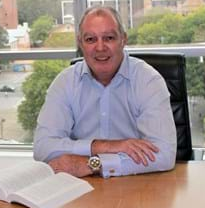
By Mark Taylor – Chartered Accountant, Certified Financial Planner and Founding Partner of Stirling Warton Taylor

There’s a curious assumption in Australia that once you’ve retired, your contribution to the economy is largely behind you.

You’ve finished working. You’re collecting your superannuation. And you’re supposedly enjoying the fruits of your working life.

But the numbers tell a rather different story.

New research reveals that spending funded by retirees’ superannuation is expected to reach almost $121 billion across Australia in 2026, supporting more than 485,000 full-time equivalent jobs.

From the local café to the family holiday destination, retirees are helping keep Australian businesses going. And their economic influence is much greater than most people realise.

In NSW alone, superannuation-funded retiree spending is expected to reach approximately $44.5 billion, supporting around 181,100 jobs across the state.

The research, undertaken by ACIL Allen for the Super Members Council, also estimates that $22.7 billion of the national spending goes towards food and drink. So while holidays and leisure activities are part of the picture, much of this economic contribution comes from the ordinary purchases retirees make every week.

The Economic Contribution of Retiree Super Spending

Estimated superannuation-funded retiree spending and full-time equivalent jobs supported in 2026.

$121bn Australia — Spending
485,000+ Australia — Jobs supported
$44.5bn NSW — Spending
181,100 NSW — Jobs supported

Figures are modelled estimates from ACIL Allen research commissioned by the Super Members Council. Employment figures represent full-time equivalent jobs associated with superannuation-funded spending, including direct and domestic supply-chain effects. They describe an economic footprint, not jobs newly created or the number of positions that would disappear without that spending.

Retirement Isn’t the End of Contributing

Of course, the value retirees bring to their communities goes well beyond what they spend.

Many help care for grandchildren, look after ageing relatives, volunteer with community organisations or share skills developed over decades of working. These contributions don’t appear in the superannuation spending figures, but they’re no less important.

What the research reveals is another, often overlooked dimension of retirement: the money Australians have spent years putting aside continues to work its way through the economy long after their working lives have ended.

According to the Super Members Council, superannuation retirement benefits paid in 2025 were more than twice the value of Age Pension payments. The two serve different purposes, and many Australians rely on a combination of superannuation, personal savings and pension entitlements to fund their retirement.

For some, those savings provide the freedom to travel, pursue interests or spend more time with family. For others, they help cover essential expenses, particularly as household costs rise and healthcare needs change.

Not everyone enters retirement with the same financial resources, and the ability to spend more is certainly not a measure of someone’s worth. What matters is that retirement savings can provide greater financial independence while contributing to the businesses and communities around us.

With around 17 million Australians relying on the superannuation system, according to the Super Members Council, maintaining its long-term strength matters to both today’s retirees and those who will follow them.

The Retirement Date We Don’t Always Get to Choose

While the research offers an encouraging picture of retirees’ contribution to the economy, it also raises a practical question for those of us still working: how prepared are we for the day our regular income stops?

Most people have some idea of when they would like to retire. Perhaps it’s after the mortgage is paid off, the children have become financially independent or a particular savings target has been reached.

Unfortunately, life doesn’t always cooperate with those plans.

Health concerns, family responsibilities, employment changes or business circumstances can bring retirement forward, sometimes years earlier than expected.

In my work with investors, I’ve seen why planning ahead can make such a difference. Leaving retirement decisions until the final year or two of working life may limit the opportunities available to adjust investment arrangements, build savings or prepare for a change in income.

And planning involves considerably more than working towards a particular superannuation balance.

It means thinking about the income you’ll need, how your savings are invested, what happens if circumstances change and whether your arrangements can support a retirement that may last 20 or 30 years.

For some families, those considerations extend beyond their own retirement. They also want to understand how the wealth they’ve accumulated might eventually benefit their children or other loved ones.

The earlier these conversations begin, the more time there is to consider the options, seek appropriate advice and make informed decisions.

Making Retirement Savings Work for You

A good financial planning partner listens to investors’ needs and work with them on strategies designed around their longer-term financial objectives.

Our services include assistance with self-managed superannuation fund (SMSF) administration and compliance, tailored investment strategies, investment planning that takes account of tax considerations, and tailored estate planning.

For some investors, an SMSF may be worth considering because it allows greater involvement in decisions about how retirement savings are invested. This flexibility can be particularly relevant where people have specific investment preferences or more complex family wealth and succession-planning considerations.

However, greater control also brings greater responsibility. SMSF trustees remain legally accountable for their fund’s compliance obligations and investment strategy, even when they engage professional advisers. Establishment and ongoing costs must also be considered, and the structure is not necessarily appropriate for everyone.

“One of the advantages of an SMSF is the opportunity to plan for the family’s financial future across generations. An SMSF can have up to six members, so parents and adult children may be able to participate in the same fund, with appropriate strategies for retirement income and succession planning,” Mark Taylor of SWT says.

“There are also legal protections that may apply to superannuation assets in certain circumstances, including bankruptcy, although these are not absolute. Careful planning is important, particularly when considering how superannuation benefits will be distributed after a member’s death and the potential tax consequences for beneficiaries,” he added.

Costs are another important consideration. Investors need to understand what they’re paying for, what services are included and whether the arrangement remains appropriate as their circumstances change.

The right approach isn’t necessarily the one offering the greatest number of investment choices or the lowest advertised fee. It is the one that appropriately balances costs, responsibilities, professional support and the investor’s longer-term needs.

“We’ve spent 30 years refining our systems to make SMSF administration and compliance as streamlined as possible. That efficiency allows us to offer fixed pricing for compliance services, with clients receiving their annual financial statements, tax returns and statutory documentation as part of a complete package. Our aim is to make the ongoing administration of an SMSF straightforward and cost-effective, so trustees can meet their obligations without unnecessary complexity,” Mark explains.

A Contribution That Continues Long After Work Ends

The latest research is a useful reminder that retirement isn’t simply the end of someone’s working life. It is another stage in which the savings accumulated over many years can help support personal wellbeing, families, businesses and the wider community.

The estimated $121 billion in superannuation-funded spending is impressive, but behind that figure are millions of individual decisions about saving, investing and preparing for the future.

For Australians who are still working, the lesson is straightforward. The earlier we begin thinking seriously about retirement, the more opportunity we have to prepare for the lifestyle we hope to enjoy and the financial responsibilities we may need to meet.

After all, retiring from work doesn’t mean retiring from life — or from making a contribution.

Published 13-October-2026

Mark Taylor

About Mark Taylor

Mark Taylor is a founding partner of Stirling Warton Taylor and a Certified Financial Planner. He has more than 30 years’ experience as a tax agent and specialises in business services, taxation, superannuation and retirement strategies. Mark has also assisted Treasury and the Australian Taxation Office on superannuation policy.

Not sure where to start?

Stirling Warton Taylor (SWT) helps clients make sense of retirement planning, superannuation, taxation and investment decisions, with advice tailored to individual circumstances.

If you’re thinking about retirement but aren’t sure what your next step should be, you can provide some initial information to SWT and request further contact.

QR code to request contact from Stirling Warton Taylor
Scan the QR code to request a conversation with SWT or click here.

Authorised to provide investment advice to wholesale investors. Representative No. 1283343.

This column is for general information only and does not take into account your individual objectives, financial situation or needs. You should consider your own circumstances and seek professional advice before making financial decisions.

Dudley Page Reserve Set For Public AED Coverage Boost

Public AED coverage is on its way to Dudley Page Reserve, and that feels overdue.

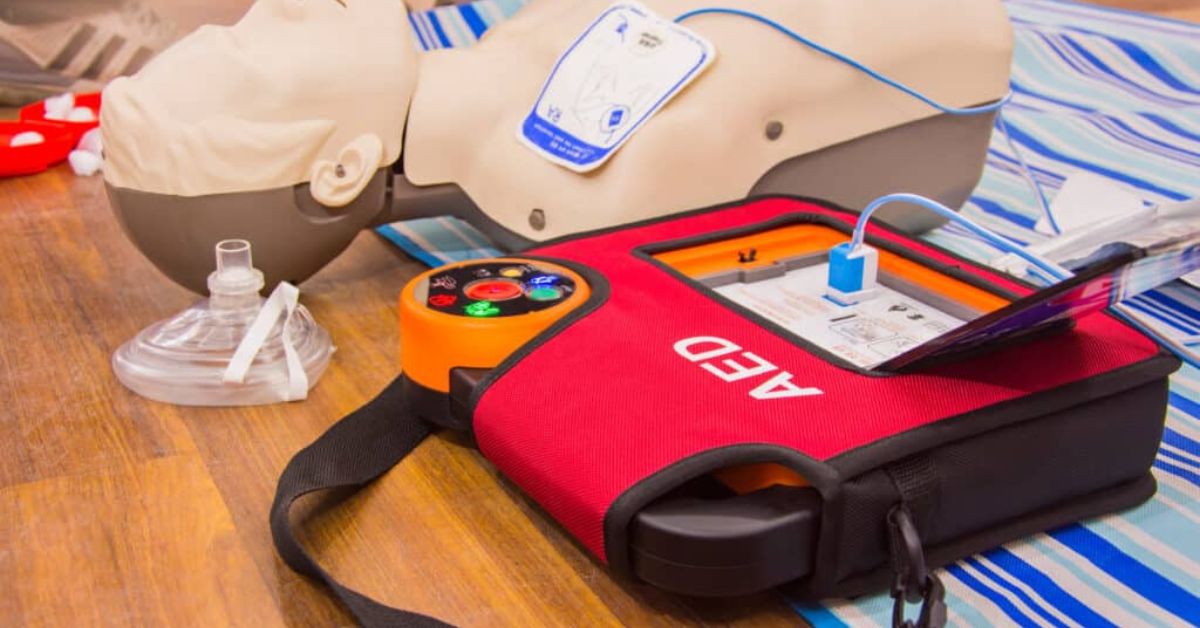
The Waverley committee approved a publicly accessible defibrillator for the Dover Heights reserve. Council wants it installed by 31 December 2026. On paper, that sounds like a neat administrative win. In practice, it is a sensible move for a place that already draws plenty of people.


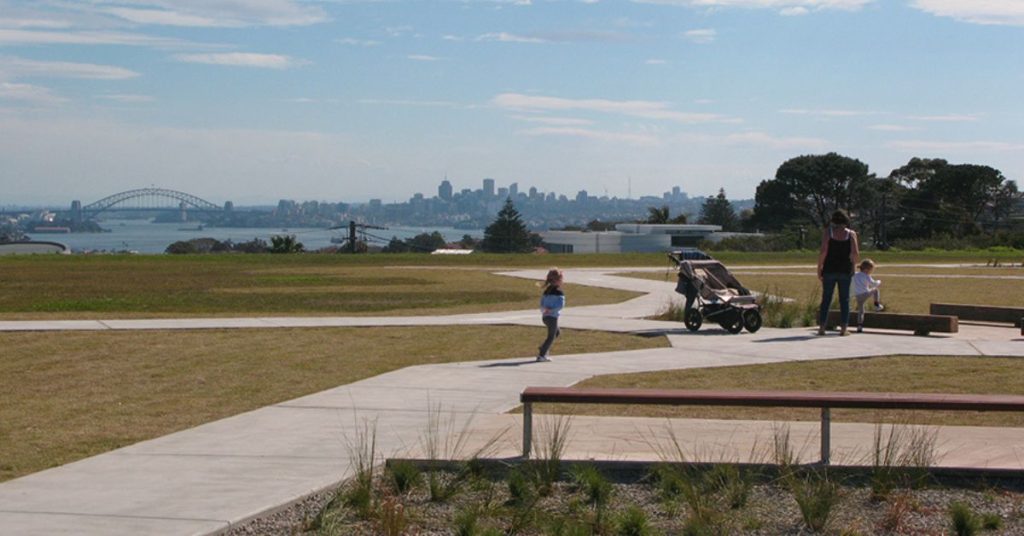
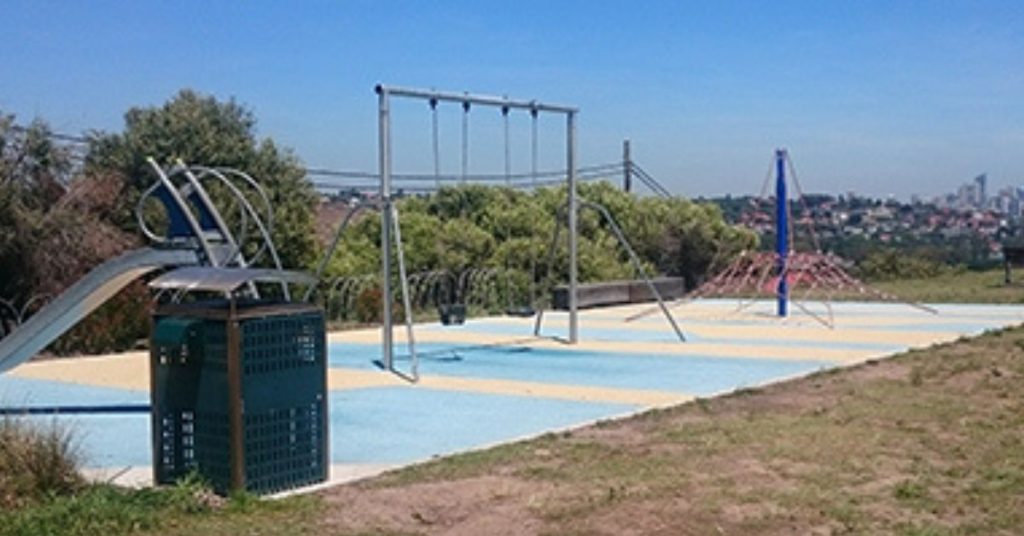
Dudley Page Reserve is not a quiet patch of grass tucked away from life. Council describes it as a flat field with harbour views, a cricket pitch and an outdoor gym. It also has a modern Playground, a bike track and plenty of shade for picnics. Add the New Year’s Eve fireworks and those sunset views, and the crowd makes perfect sense.

This is exactly the kind of place where public AED coverage matters.

A practical step, not just a policy line

The committee did more than approve one device and move on. It also required council-owned AEDs to be registered with NSW Ambulance’s GoodSAM system. That should make the units easier to find in an emergency. And when every second counts, that matters more than any glossy policy phrase.

Photo Credit: Waverley Council

Just as importantly, councillors asked for a wider plan. Officers must look at other busy parks and reserves that may also need lifesaving equipment. They will consider visitation, recreation use, nearby AEDs, ambulance response times and power availability. That is a sensible list.

It treats public AED coverage as part of everyday community planning, not an afterthought.

A reserve that brings people together

Dudley Page Reserve already serves a lot of different people. Families come for the Playground and shade. Sport users come for the pitch, gym and bike track. Visitors come for the view, the open space and the outlook over the harbour. That mix helps explain why the reserve stood out for the committee.

This is where local decisions really count. A device like this may sit quietly on the wall for years.

Photo Credit: Waverley Council

Still, it can change everything in a sudden emergency. That is what makes public AED coverage such a practical investment in a busy place.

The right kind of local attention

The good part here is the scale of the response. Council has not acted as if one reserve tells the whole story. Instead, it has started a broader process that may lead to more units elsewhere. That is the right way to think about it.


For Dover Heights and surrounding suburbs, the decision is welcome news.It recognises what locals already know. Dudley Page Reserve is popular, well used and worth supporting properly.

Now it has a clearer path to better emergency readiness as well.

Published 13-October-2026

Rodney Reserve: Dover Heights Site That Mapped the Milky Way Due for a Makeover

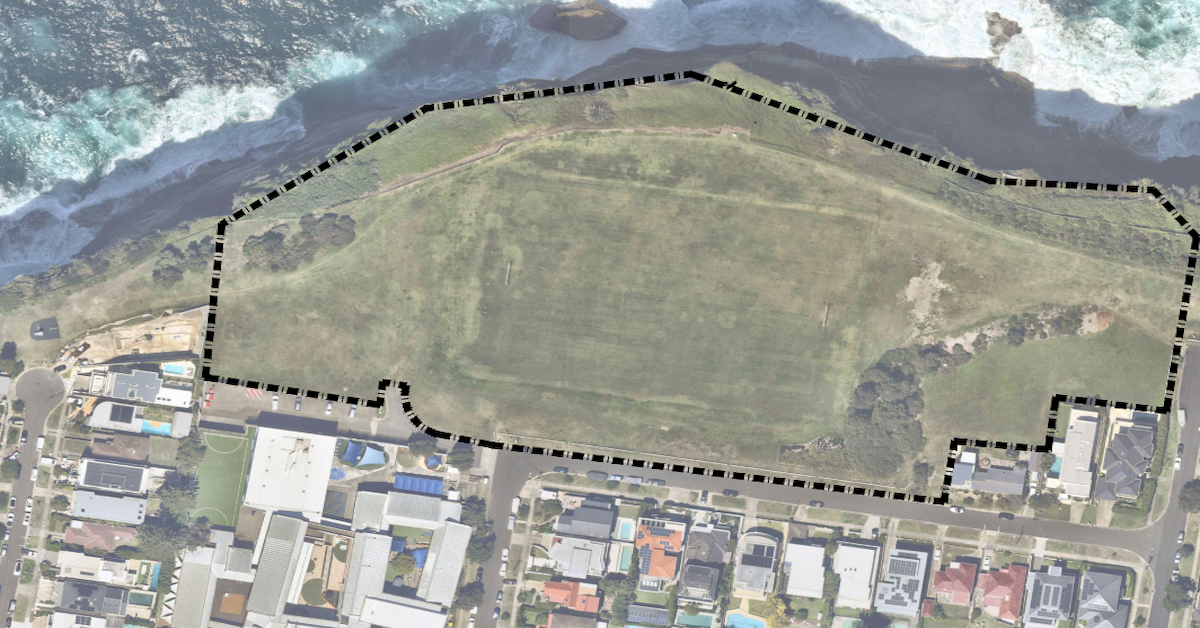
Did you know your daily dog walk sits directly above the spot where scientists first mapped the center of our galaxy? Every morning, locals gather at Rodney Reserve to exercise, walk dogs, and take in panoramic views of the Tasman Sea. Below the turf lies one of the most remarkable chapters in modern science.


The Underground Legacy of Dover Heights Science

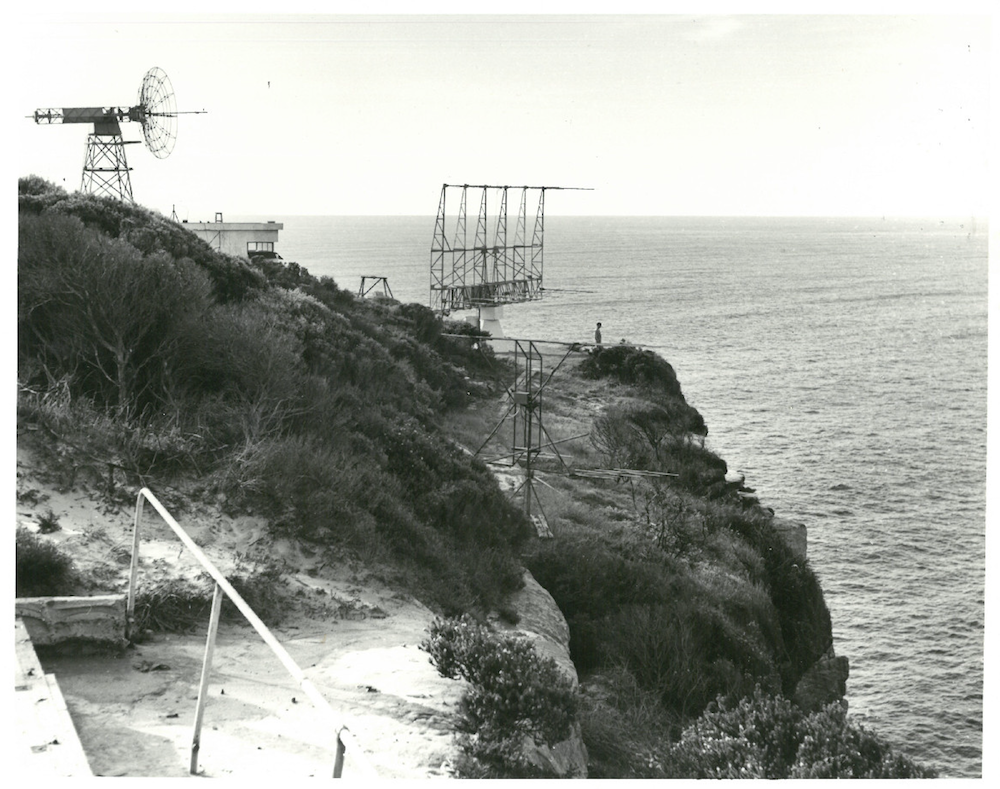
Between 1946 and 1954, the Commonwealth Scientific and Industrial Research Organisation (CSIRO) repurposed former World War II coastal radar facilities atop the Dover Heights cliffs into a world-leading radio astronomy field station.

Photo Credit: Celebrating Waverley

Pioneering researchers, including John Bolton, Gordon Stanley, Bruce Slee, and Ruby Payne-Scott, worked out of the coastal outpost. In 1951, after requests for funding to construct a larger antenna were knocked back, Bolton, Stanley, and Slee spent three months of lunch breaks manually digging a 21.9-metre dish into the sand dune. They lined the depression with ash, packing-case metal strips, and a central mast.

Using this handmade instrument, the team proved that radio emissions originated from distant extragalactic sources and nebulae. Their precise tracking of Sagittarius A led the International Astronomical Union in 1958 to establish the official zero-point coordinate of the Milky Way galaxy based on calculations taken at Rodney Reserve.

Waverley’s Balancing Act on the Clifftops

Waverley Council is finalising its Coastal Reserves Plan of Management, which seeks to honor this global scientific heritage while upgrading local recreational facilities.

Public consultations revealed a tension between structural memorialisation and open-space preservation. Council evaluated two main design proposals to commemorate the CSIRO site:

  • Option 1 ($2.2M): A cantilevered lookout projecting over the eastern cliff crest to view a replica antenna array. Geotechnical assessments raised major concerns regarding cliff instability, landslip threats, and severe wind loading.
  • Option 2 ($450k): A sunken concrete landscape intervention set landward in the northern turf. Designed to interpret the historic 1951 dish, it avoids high-risk geohazard zones and doubles as an interactive community space.

Residents generally favor retaining unobstructed grass, ocean views, and quiet parkland over heavy built infrastructure.

Details regarding these proposed options and ongoing community engagement are published on the official Waverley Council Have Your Say Portal.

Photo Credit: Waverley Council

Upgrades, Fencing, and Geotechnical Management

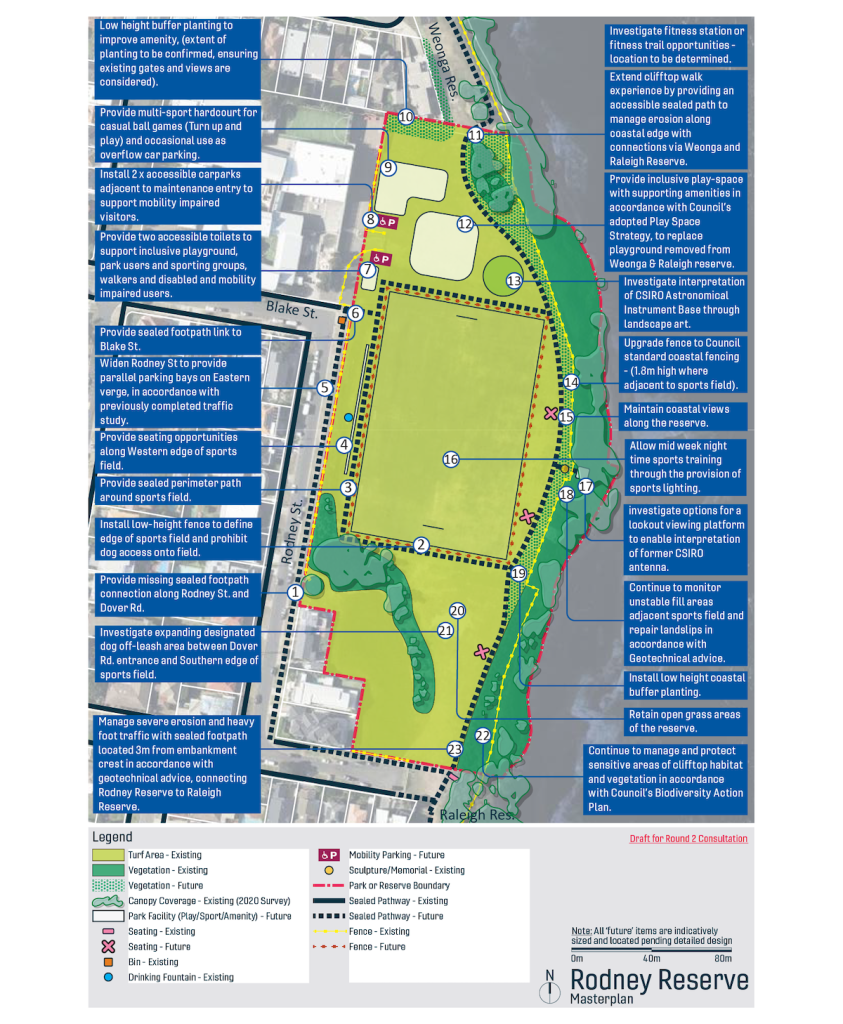
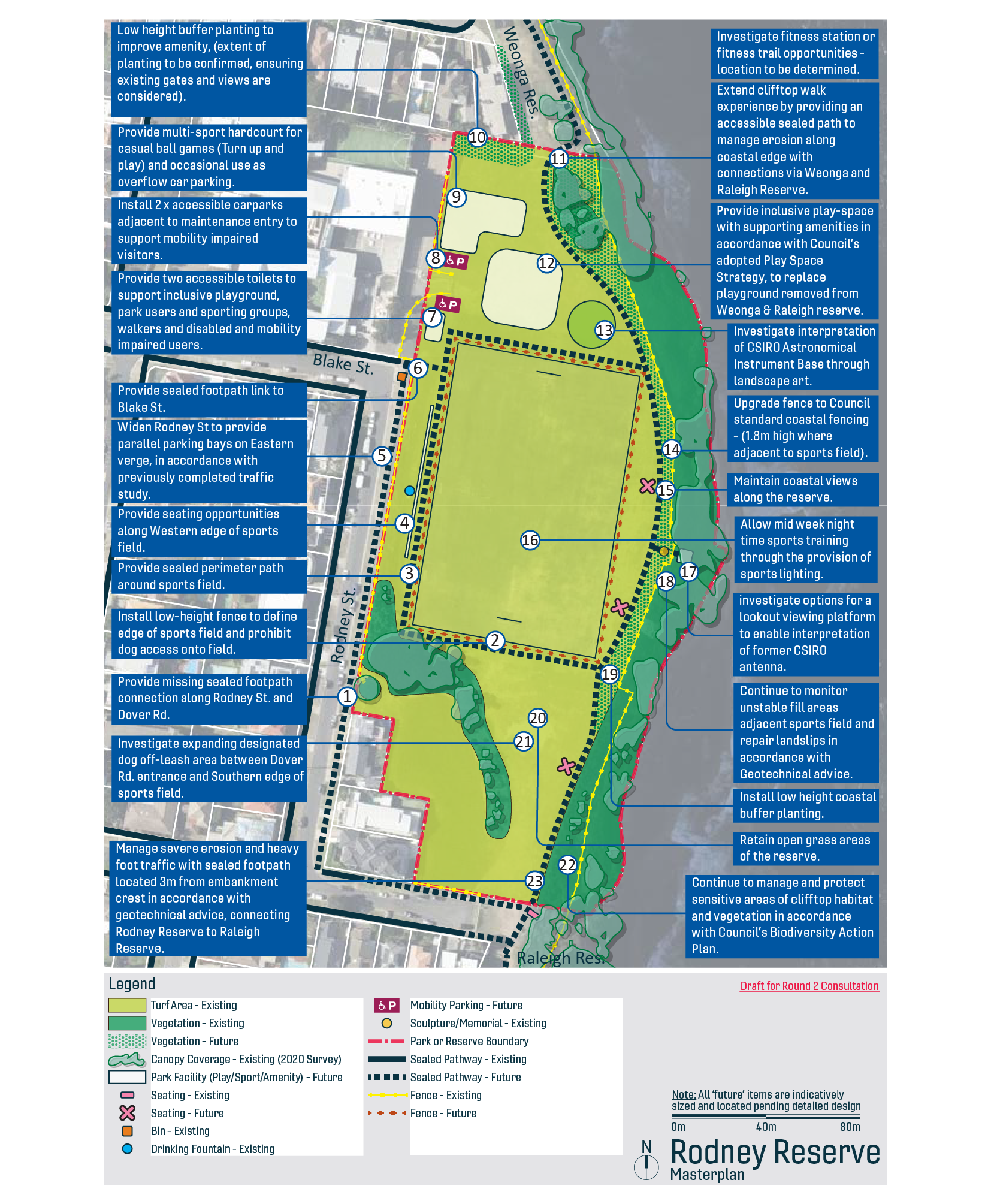
The broader draft Masterplan addresses long-standing operational issues across the parkland:

  • Sports Facilities: Provision of sports lighting to enable mid-week nighttime training, a multi-sport hardcourt for casual play, and an inclusive play-space.
  • Access & Fencing: Sealed perimeter footpaths around the sports field, improved links to Blake Street and Rodney Street, low-height fencing to keep dogs off active turf, and dedicated off-leash zones.
  • Coastal Integrity: Realignment of footpaths three metres back from embankment crests, ongoing monitoring of unstable fill, and habitat protection under Council’s Biodiversity Action Plan.


Next Steps for the Masterplan

Community feedback gathered through the Have Your Say consultation portal is currently under evaluation by Council planners and geotechnical engineers. A refined Plan of Management will be presented at an upcoming formal meeting for official adoption before construction funding is allocated.

Published 25-Sept-2026

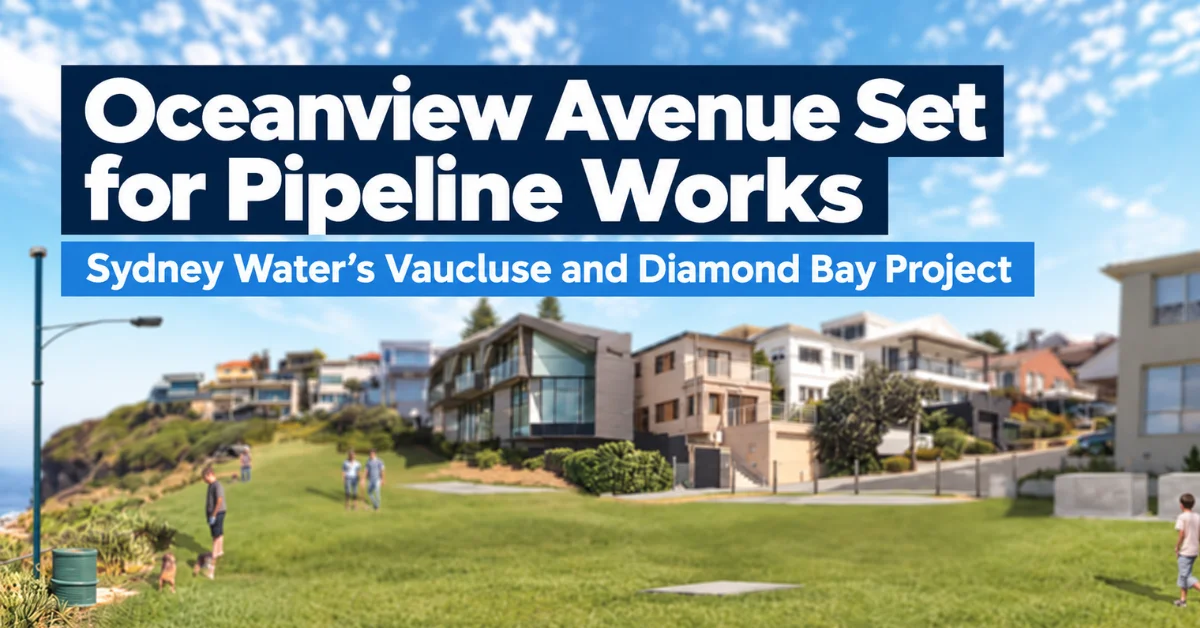
Oceanview Avenue Set For Pipeline Works As Sydney Water Project Moves Ahead

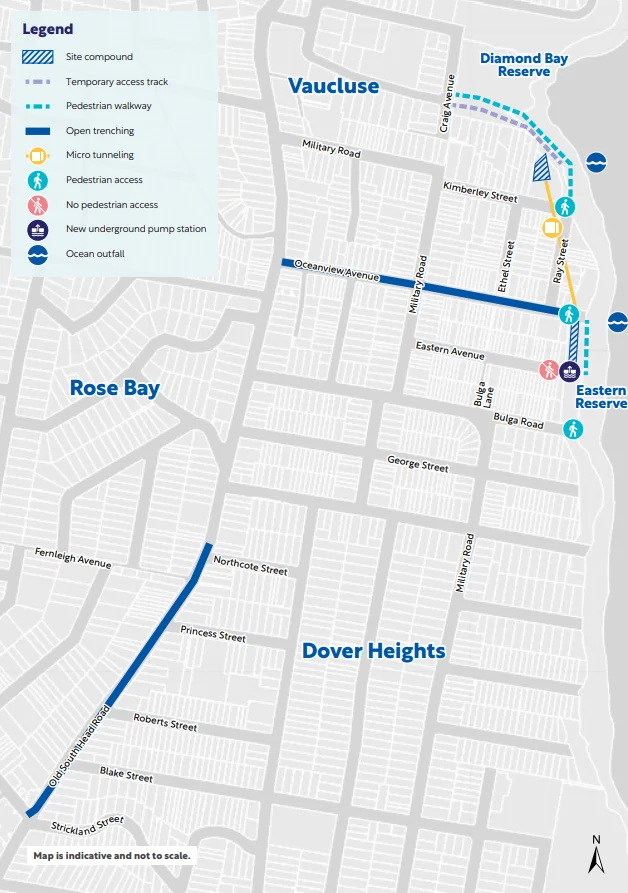
A stretch of Oceanview Avenue is set to be opened up for a new wastewater pipeline as Sydney Water prepares to bring the next phase of its Vaucluse and Diamond Bay project into Dover Heights.


The Dover Heights works are not due to begin until mid-2027, but activity has already started further east, where contractor Abergeldie Complex Infrastructure is preparing sites at Eastern Reserve and Diamond Bay. Sydney Water scheduled site establishment there from 24 September, ahead of construction expected to begin in late October and continue for about 18 months. 

Oceanview Avenue forms part of the project’s second construction area, together with Old South Head Road in Rose Bay. Sydney Water plans to install a pressure pipeline along the avenue using open trenching, linking the existing Bondi wastewater network with a new underground pump station at Eastern Reserve. Pipes along Old South Head Road between Hamilton Street and Northcote Street are also due to be upgraded. 

Sydney Water
Photo Credit: Sydney Water

A Project Moving Closer To Dover Heights

The works are part of a wider effort to stop untreated wastewater from flowing directly into the ocean from the Vaucluse and Diamond Bay area. Sydney Water says about four million litres of untreated wastewater is currently discharged each day. The new network will instead send those flows to the Bondi Water Resource Recovery Facility for treatment.

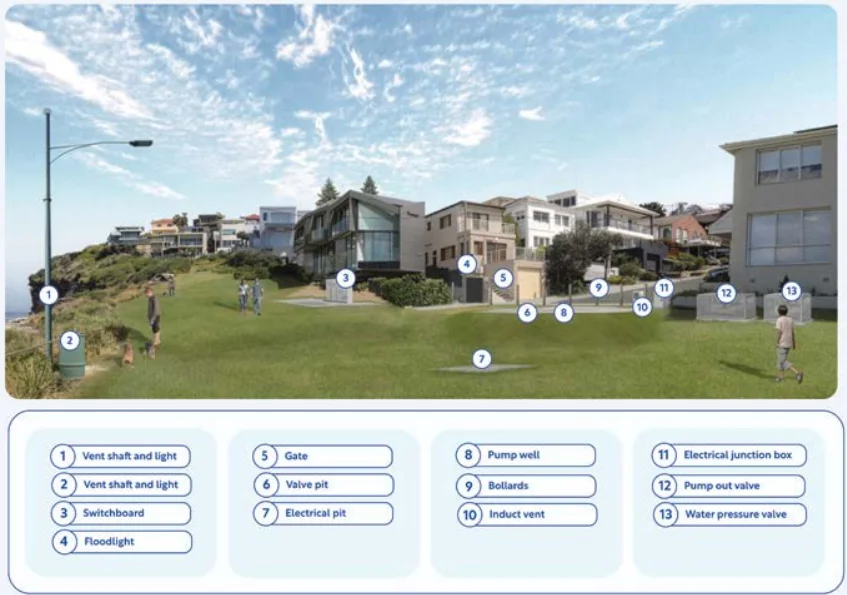
A project map released with the September newsletter traces the proposed pressure pipeline along Oceanview Avenue and towards Eastern Reserve, where the underground pump station will sit. Gravity pipelines will also be installed between Diamond Bay and Eastern Reserve using microtunnelling, connecting the existing network and ocean outfalls to the new station. The overall Diamond Bay component is expected to be completed by mid-2028. 

Oceanview Avenue
Photo Credit: Sydney Water

Years of Consultation Now Turn To Construction

Sydney Water has been consulting on the project since 2018, including through the Dover Heights and Vaucluse/Diamond Bay precinct committees. More than 13,000 properties have received project newsletters, while the engagement program has also included information sessions, webinars, door-knocking and meetings with affected property owners and other stakeholders. 

Hundreds of submissions were received during that process. Sydney Water says feedback contributed to changes intended to reduce the visual footprint of the works and retain more open recreational space. 

Property visits around Eastern Reserve and Diamond Bay began in early September as the project shifted from planning into site preparation. Similar early activity is expected around Oceanview Avenue and Old South Head Road before the Dover Heights stage begins next year. 


Abergeldie is also preparing controls for noise, dust, vibration, traffic, drilling, runoff and vegetation during construction. The next public information session will be held at Diamond Bay Bowling Club from 6pm to 7pm on 14 October, followed by a Vaucluse/Diamond Bay Precinct Committee meeting at the same venue from 7pm to 9pm on 21 October.

Published 25-September-2026

The Retirement Mistake That Is Easiest to Make Years Before You Retire

By Mark Taylor – Chartered Accountant, Certified Financial Planner and Founding Partner of Stirling Warton Taylor

Retirement is one of those things most of us know is coming but are quite happy to leave sitting somewhere in the distance.

Then the years move faster than expected. The mortgage is still there, the cost of living has gone up and suddenly the questions become much more immediate: When can I actually afford to retire? How much will I need? And will what I have accumulated last as long as I do?


There is good reason to be asking those questions earlier. Australians are living longer, which means retirement savings may need to support us for considerably longer than previous generations expected.

The latest Australian Bureau of Statistics figures put life expectancy at birth at 81.1 years for men and 85.1 years for women. Thirty years ago, the corresponding figures were around 75 and 81.

For someone hoping to retire in their 60s, that makes planning for 20 years or more without a regular salary a very real consideration.

And plenty of Australians aren’t quite sure when that retirement will begin. The latest ABS retirement data shows 806,000 people intend to retire within the next five years, including 294,000 within two years. Yet 40 per cent of people who intend to retire don’t know when they will actually leave the workforce.

The average intended retirement age is now 65.6.

Retirement by the numbers

Average intended retirement age
Australians intending to retire within the next five years
40%
People intending to retire who don’t yet know when they’ll leave the workforce
Approximate annual ASFA comfortable-retirement budget for a single homeowner aged 65–84
Approximate annual ASFA comfortable-retirement budget for a couple aged 65–84

So, how much is enough?

It is probably the retirement question I hear most often, and unfortunately there isn’t a magic number.

The Association of Superannuation Funds of Australia’s Retirement Standard currently estimates that a comfortable lifestyle for a homeowner aged 65 to 84 costs about $55,900 a year for a single person and $78,600 for a couple.

ASFA’s corresponding savings benchmark for homeowners retiring at 67 is around $630,000 for a single person and $730,000 for a couple. Those calculations assume retirees draw down their capital over time and receive some Age Pension support.

Those figures are useful as a reference point. They aren’t, however, a target that can simply be applied to everybody.

A person entering retirement with their home paid off is in a very different position from somebody still paying a mortgage or renting. Then there are all the other variables: travel, health, helping children or grandchildren, hobbies and, quite simply, what you expect retirement to look like.

There is no one-size-fits-all retirement strategy. The appropriate mix of superannuation, investments, income and growth assets will depend on the individual — their circumstances, goals, time horizon and tolerance for risk.

That is why I prefer to start with the life somebody wants to fund, rather than immediately reaching for a particular dollar figure.

Starting earlier gives you more room to move

This is where time becomes particularly valuable.

Thinking about retirement well before you get there can give you more opportunity to build superannuation progressively, reduce debt and consider how your investments and other assets fit together. There may also be legitimate tax concessions and strategies worth considering along the way.

None of this means putting today’s life on hold for a retirement that may still be decades away. Nor does it necessarily mean choosing between paying down the mortgage and saving for retirement. For many people, several financial priorities will be running at the same time.

There is another reason not to leave all the planning until the final few years: retirement doesn’t always arrive on schedule.

Among Australians surveyed by the ABS in 2024–25 who had retired, reaching retirement age or becoming eligible for superannuation was the most common reason for leaving their last job, at 33 per cent. But 13 per cent had stopped because of sickness, injury or disability, while another 6 per cent had been retrenched, dismissed or found there was no work available.

In other words, the date you expect to retire and the date you actually stop working aren’t necessarily the same thing.

Starting earlier gives you more time to adjust if circumstances — or your plans — change.

Inflation is easy to underestimate

One of the quieter risks is inflation because its effect tends to creep up on us.

Something that costs $100 today is unlikely to cost $100 in another 10 or 20 years. So while protecting savings matters, simply preserving the dollar value of capital does not necessarily preserve what that money will actually buy.

The changing ASFA benchmarks give some indication of that pressure. In 2026, ASFA lifted its comfortable-retirement lump-sum estimates for the first time in three years, taking the benchmark from $595,000 to $630,000 for a single homeowner and from $690,000 to $730,000 for a couple.

The other side of the equation matters too. Pursuing higher growth can mean accepting greater volatility, and that can become particularly important when someone has retired and is drawing an income from their investments.

This is why I don’t think retirement investing is usefully reduced to a simple choice between “income” and “growth”. The right balance depends on what the money needs to provide, when it will be needed and how much investment risk the individual is comfortable carrying.

The important thing is to do something

For a lot of people, superannuation, investments, tax and retirement income can feel complicated. Put enough choices in front of somebody and it becomes very easy to put the whole subject aside for another day.

You don’t need to solve retirement in one sitting. But doing nothing because you don’t know where to begin is still a decision — and the longer retirement planning is postponed, the less time there is to make adjustments.

Start with some fairly ordinary questions. When would I ideally like to stop working? What sort of lifestyle do I want then? What debts might I still have? What assets am I building now? And do I actually understand what my superannuation is likely to provide?

For a lot of people, an SMSF may also be worth considering as part of that conversation. SMSFs can provide greater control over investment choices and retirement strategies, but they also bring additional costs, responsibilities and compliance obligations and will not be appropriate for everyone. Professional advice can help determine whether an SMSF is suitable for an individual’s circumstances.

The answers will change over time. That’s fine. Starting early isn’t about predicting your future perfectly; it’s about having enough time to change course when you need to.

The first step doesn’t have to be a major financial decision. It can simply be finding out where you stand.

Disclaimer: This column is for general information only and does not take into account your individual objectives, financial situation or needs. You should consider your own circumstances and seek professional advice before making financial decisions.

Published 22-September-2026

Mark Taylor

About Mark Taylor

Mark Taylor is a founding partner of Stirling Warton Taylor and a Certified Financial Planner. He has more than 30 years’ experience as a tax agent and specialises in business services, taxation, superannuation and retirement strategies. Mark has also assisted Treasury and the Australian Taxation Office on superannuation policy.

Not sure where to start?

Stirling Warton Taylor (SWT) helps clients make sense of retirement planning, superannuation, taxation and investment decisions, with advice tailored to individual circumstances.

If you’re thinking about retirement but aren’t sure what your next step should be, you can provide some initial information to SWT and request further contact.

QR code to request contact from Stirling Warton Taylor
Scan the QR code to request a conversation with SWT or click here.

A SMSF may not be the right superannuation vehicle for you. Please seek financial advice.

Authorised to provide investment advice to wholesale investors. Representative No. 1283343.

Body Recovered From Water Off Dover Heights

Emergency services were called to Dover Heights after a body was recovered from the water off the eastern Sydney suburb on Tuesday, 18 August.


The discovery was made at about 12.20pm, with police, ambulance and rescue crews attending the scene, according to information attributed to NSW Police.

Beyond those initial details, little has been made public about what happened. The identity of the person has not been confirmed in the information available, nor have authorities publicly established the circumstances that led to the person being in the water.

That leaves obvious questions surrounding the discovery, but there is not yet enough confirmed information to draw conclusions about how the person died or came to be off the Dover Heights coastline.

Another recovery off Dover Heights a decade ago

The incident recalls an earlier body recovery from the waters off Dover Heights, although there is no connection between that 2016 case and this month’s discovery.

In June 2016, water police recovered the body of a woman believed to be in her 20s about 100 metres offshore. The discovery came while emergency services were searching for a man who witnesses had reported in distress in the water off southern Bondi the previous day.

Even those two events were not believed to be connected. Police told the ABC at the time that they did not believe the woman’s death was linked to the reports concerning the missing man.

The 2016 recovery also came during a period of severe weather along Australia’s east coast, when a low-pressure system had brought heavy rain, damaging winds and large swells. Police said at the time that it was unclear whether the woman’s death was related to the weather, and a report was to be prepared for the Coroner.

A decade later, the circumstances surrounding the latest discovery at Dover Heights remain much less clear. Authorities have so far released few details beyond the recovery itself and the emergency response.


Dover Heights News will update this report if further information is made public.

Published 19-Aug-2026

90,000 Sign Up as Voltaren City2Surf Sweeps Through Dover Heights on its Way to Bondi

For a few hours on Sunday morning, two of Dover Heights’ busiest roads became part of a 14-kilometre procession to Bondi.


The 2026 Voltaren City2Surf, held on Sunday 9 August, had sold out more than six weeks earlier, with 90,000 people registered for the journey from Sydney’s CBD to Bondi Beach — the third consecutive year the event had reached capacity.

For Dover Heights, though, City2Surf isn’t something happening on the other side of Sydney. The suburb is part of the course itself.

After climbing through Rose Bay and tackling Heartbreak Hill, runners continued towards Vaucluse before heading onto Old South Head Road and Military Road, carrying the race directly through the neighbourhood before the final push down towards North Bondi and the beach.

By that point, the hardest and most famous climb was behind them. Bondi was getting closer. And Dover Heights had a front-row view.

After Heartbreak Hill, Dover Heights takes over

Heartbreak Hill has earned its reputation over decades of City2Surf racing, but reaching the top doesn’t mean the work is finished.

The course continues through Vaucluse and Dover Heights, where runners get the reward of sweeping views before beginning the descent towards Bondi.

It also makes this part of the race quite different from the opening kilometres in the city. By the time the field reaches Dover Heights it has stretched out considerably: elite competitors are charging towards Bondi while, behind them, wave after wave of recreational runners, walkers, charity fundraisers and costumed entrants are still making their way through.

For residents, it is one of those rare mornings when stepping outside can mean finding one of Sydney’s biggest events passing through the neighbourhood.

Not an ordinary Sunday on Military Road

Of course, having City2Surf come through the suburb also means disruption.

The official Transport for NSW map for the Double Bay-to-Dover Heights section shows the extent of the temporary traffic arrangements, with road closures, special-event clearways and local-access restrictions applying at different times across the area.

For the section most relevant to Dover Heights, Old South Head Road and Military Road formed part of the Rose Bay-to-North Bondi closure zone, with closures generally operating from 7am until 2pm. Military Road between Lancaster Road and Blake Street closed earlier, from 5am, with managed access for affected properties available from 5am to 7am. Special-event clearways on Old South Head Road and Military Road were in force from 1am until 4pm.

The Transport for NSW map also shows how carefully access had to be managed around the course, including a temporary crossover at Towns Road and Vaucluse Road until 7.10am.

Once the runners arrived, though, those traffic arrangements had done their job. Roads normally dominated by cars had become part of the City2Surf course.

Photo Credit: City2Surf

Buchanan and Campbell lead the charge to Bondi

At the front of Sunday’s field, Andy Buchanan won the men’s race in 40 minutes 27 seconds, finishing 38 seconds ahead of Luke Hince, who crossed in 41:05. Ed Goddard was third in 41:50.

Holly Campbell won the women’s race in 46:35, ahead of Eloise Wellings in 49:06, with Stacey Winter third in 49:19.

They were the pointy end of an event whose appeal has always extended well beyond elite racing.

City2Surf describes itself as the world’s largest fun run, and this year’s 90,000 registrations included serious runners chasing times alongside friends running together, charity participants, walkers and plenty of people for whom simply getting to Bondi was achievement enough.

That broader character is a large part of what distinguishes City2Surf from a conventional road race. The event combines elite competition with fundraising, costumes and the spectacle of an enormous cross-section of Sydney moving towards the same finish line.

Photo Credit: City2Surf

And then Military Road becomes Military Road again

There is something slightly surreal about City2Surf morning in Dover Heights.

One moment, Military Road and Old South Head Road are carrying a seemingly endless procession of runners towards the ocean. Later, the field thins, traffic controls begin to lift and the neighbourhood gradually returns to an ordinary Sunday.

Bondi gets the famous finish line and the city gets the start. Dover Heights gets something different: City2Surf in full flight, with Heartbreak Hill behind the runners and the beach finally drawing close.


For one Sunday morning each August, one of Sydney’s great sporting traditions runs straight through the neighbourhood.

Published 12-Aug-2026

Dover Heights Parking Goes Digital as Pressure on Street Spaces Grows

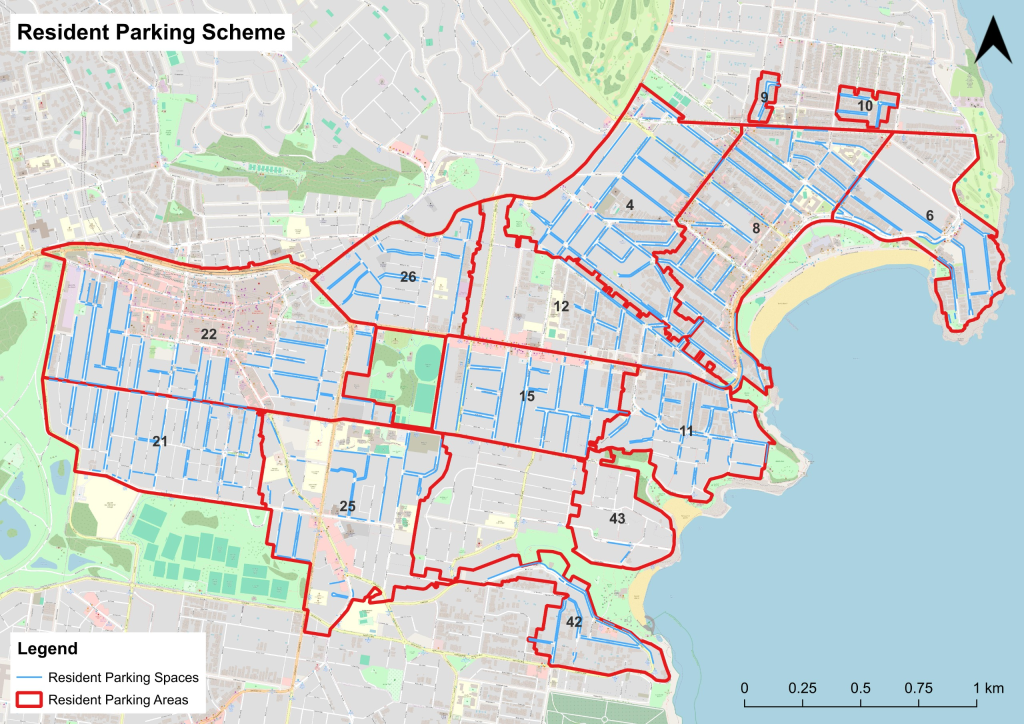
Paper parking permits are gone. The Waverley Resident Parking Scheme has moved entirely digital, and for Dover Heights residents already dealing with a growing influx of trade vehicles, oversized boats and trailers competing for street space, the change brings both practical relief and a sharper spotlight on a suburb under growing pressure.


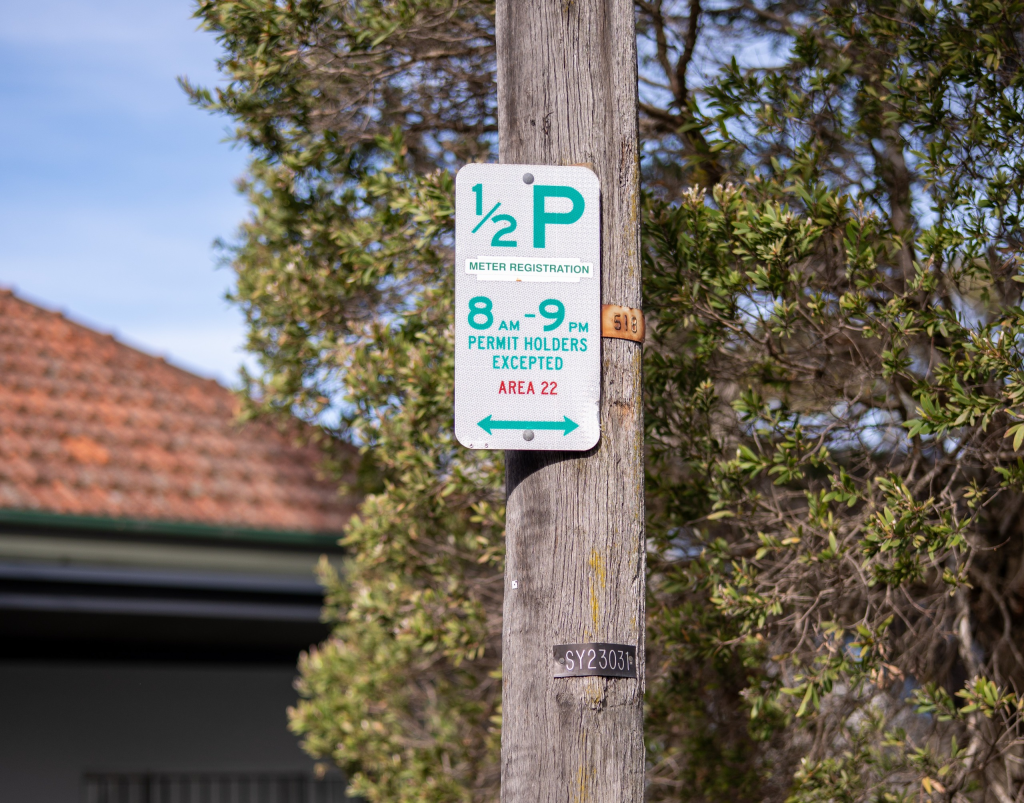
The new system took effect on 2 July. Your number plate is now your permit, replacing paper permits, windscreen stickers and manual paperwork.

Parking pressure is growing 

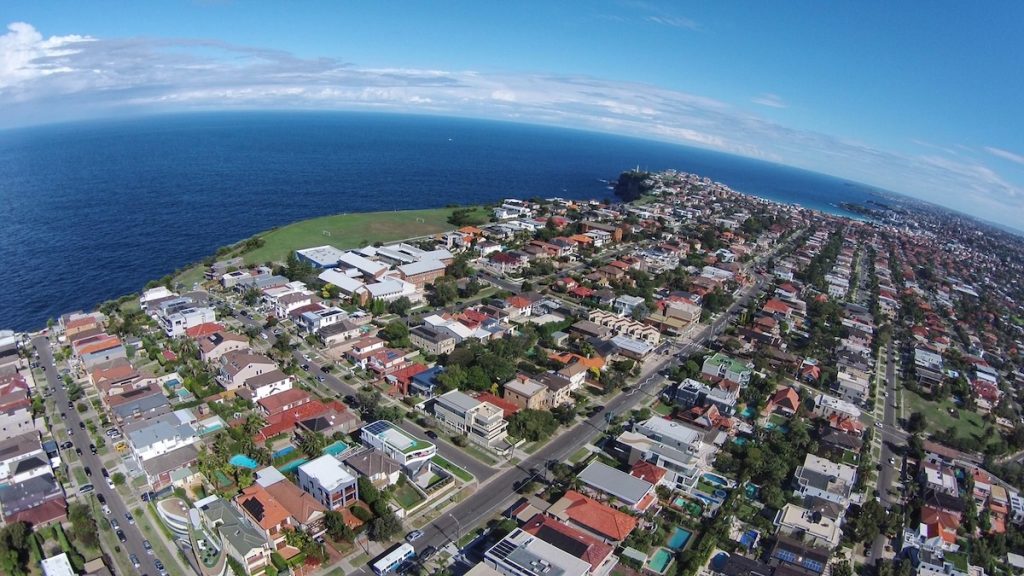
Dover Heights sits at the quieter eastern edge of the Waverley LGA, historically less dense than Bondi Beach or Bronte. That’s been changing.

Photo Credit: WaverleyCouncil

The expansion of Resident Parking Schemes in neighbouring suburbs has pushed non-resident vehicles outward — and Dover Heights streets have absorbed some of that overflow.

Trade vehicles, trailers and oversized boats occupying public space are a recurring complaint, and the RPS is the mechanism residents have to push back against it.

Digital permits make enforcement sharper. Parking officers now confirm permit validity through licence plate recognition technology, removing the ambiguity of checking a faded sticker through a windscreen.

A simpler permit system 

Existing permits automatically transfer to the new system — nothing is required until renewal. An email with account login details will arrive for existing permit holders who want to review their permits before that point.

Photo Credit: WaverleyCouncil

New applications, renewals and vehicle registration updates are all now handled online, at any time, without visiting a service centre.

Every parking space counts 

Blocked driveways attract a $600 fine and towing within three hours, report via Waverley Customer Service on 9083 8000. Illegal parking elsewhere can be flagged through the Snap Send Solve app, which routes reports directly to parking patrols.

Car share spaces across the LGA each remove up to six private vehicles from the street according to Waverley’s own data, relevant for streets where every space counts.

While planners ultimately axed a controversial $300 driveway assessment fee, the proposal itself shows how fiercely contested street spaces have become across the LGA.

For permit information and eligibility, click here.


Published 10-July-2026

Walking Is Different in Dover Heights; A New Strategy Acknowledges That

A draft walking strategy for Waverley recognises that suburbs such as Dover Heights face different challenges from the area’s busier centres, where shops, transport and services are often closer together.


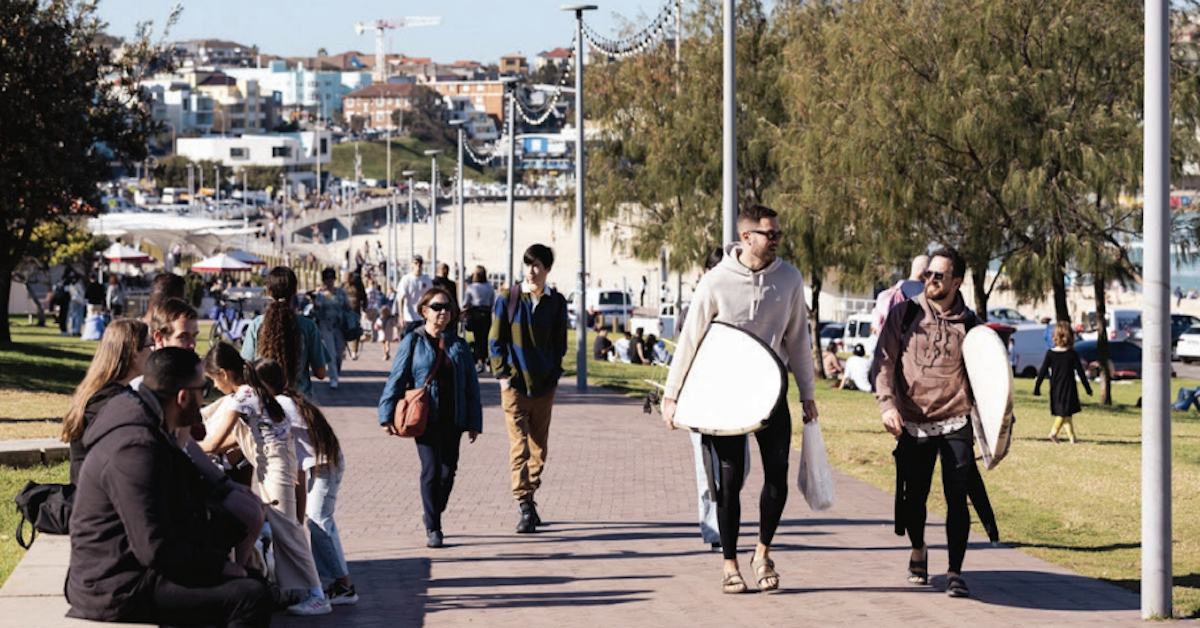
In Bondi Junction, many residents can walk to shops, public transport and services within minutes. Dover Heights is different. Steep streets, longer distances and fewer transport connections shape how people move around the suburb. 

Even Waverley Council’s draft Walking Waverley strategy acknowledges that walking is not yet as practical a transport option in some parts of the local government area, including Dover Heights.

The draft strategy, currently open for public comment until 7 July 2026, examines how walking conditions could be improved across Waverley over the next decade. While much of the document focuses on busy pedestrian areas such as Bondi Junction and Bondi Beach, it also highlights the challenges facing less-connected suburbs.

A Different Experience From Waverley’s Major Centres

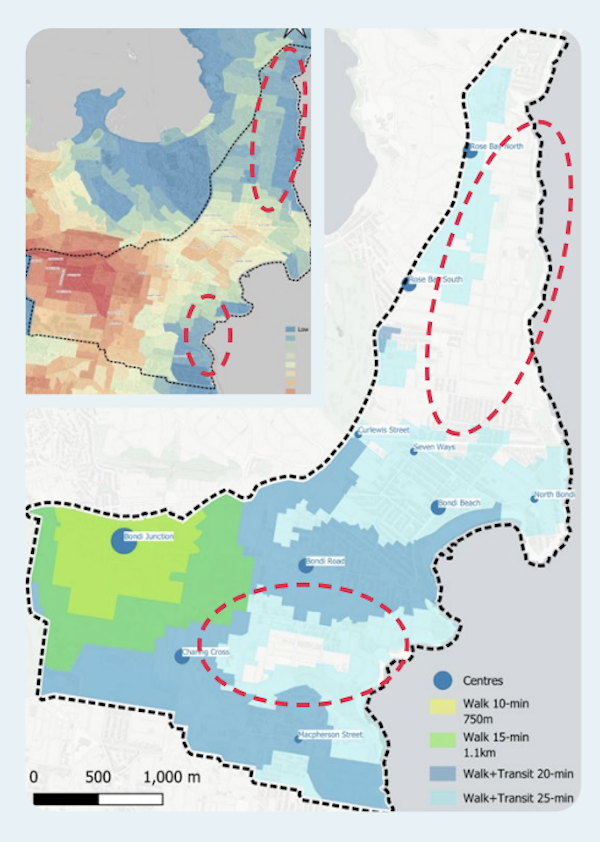
The strategy identifies topography as one of the biggest barriers to walking across Waverley. In Dover Heights, steep roads and greater distances between homes, transport links and local destinations create a different experience from the municipality’s more densely developed centres.

Photo Credit: Wikipedia

The document notes that some parts of Dover Heights currently have limited access to walking and public transport compared with other areas of Waverley. While residents in Bondi Junction can reach a wide range of services and transport options on foot, daily journeys in Dover Heights often involve longer distances and greater reliance on buses or private vehicles.

These differences are reflected throughout the draft strategy, which takes a municipality-wide approach while recognising that not every suburb faces the same transport challenges.

Photo Credit: WaverleyCouncil

More Than New Footpaths

The strategy’s 162 identified improvement opportunities extend beyond footpath construction.

The draft document proposes a range of measures aimed at making walking safer, easier and more accessible. These include additional pedestrian crossings, improvements to intersections, accessibility upgrades, safer routes to schools and better connections to public transport.

Community feedback gathered during earlier consultation found that residents were particularly concerned about road crossing safety, vehicle speeds, footpath conditions and obstacles that make walking difficult.

The strategy also proposes working with Transport for NSW to reduce delays for pedestrians at signalised crossings in high-activity areas and improve access around transport corridors.

Focus AreaWhat It Covers
Slow StreetsExpansion of 40 km/h zones and other measures to reduce vehicle speeds based on local street conditions and surrounding land uses.
Right-Sizing IntersectionsChanges to intersections that currently prioritise vehicle movement, with the aim of improving pedestrian access, safety and comfort.
Vehicle Entrances and ExitsMeasures to reinforce pedestrian priority and improve safety where vehicles cross footpaths at driveways, car parks and access points.
Pedestrian Safety InitiativesInfrastructure upgrades at pedestrian crash locations, combined with community education and awareness programs to improve safety outcomes.
Pedestrian Crossing ImprovementsAdditional crossing opportunities and treatments designed to make road crossings safer, easier and more direct for pedestrians.
Pedestrian Signal PriorityCollaboration with Transport for NSW to reduce waiting times at traffic signals, particularly in areas with high pedestrian activity.
Bus Stop ImprovementsBetter pedestrian access around bus stops, including safer street crossings and additional footpath space for waiting passengers and pedestrians.
Footpath Surface ImprovementsUpgrades to footpaths, streetscapes and walking routes, including heavily used unpaved sections and links through parks and open spaces.
Active Travel to SchoolContinued engagement with schools and pursuit of external funding to improve walking routes and support safer journeys to and from school.
Continuous Travel PathsAccessibility improvements that support the Disability Inclusion Action Plan, including continuous and accessible routes for people with mobility limitations.

Improving Connections to Public Transport

A recurring theme throughout the document is the relationship between walking and public transport. According to the strategy, walking and public transport together account for around half of all trips made within Waverley. Improving access to bus services is therefore considered an important part of improving walkability across the municipality.

Proposed measures include safer crossings near bus stops, additional space for waiting passengers and upgrades that make pedestrian routes easier to navigate.

For suburbs such as Dover Heights, where bus services often provide the main connection to larger centres and employment areas, improvements to walking routes may influence how easily residents access public transport.

Photo Credit: Wikipedia


The draft strategy forms part of a broader planning framework that includes Waverley’s Community Strategic Plan, People, Movement and Places plan, Environmental Action Plan and Disability Inclusion Action Plan.

If adopted, the strategy would help guide future walking-related projects across the municipality over the coming decade. 

Published 10-June-2026